
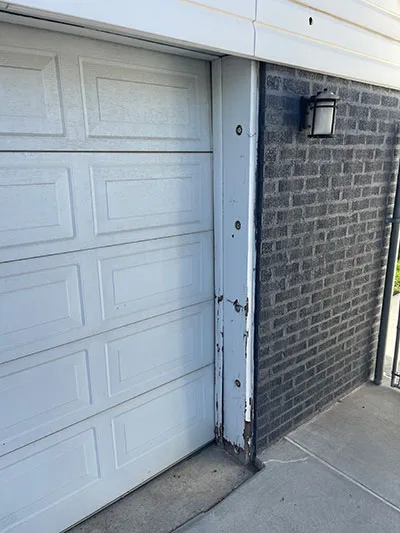
Rotted Fascia Is a Water Problem Wearing a Disguise
The fascia is the board that runs along your roof edge, carrying the gutters and closing off the eave. When it peels, softens, or lets a gutter sag away from the house, the board is the symptom. Water is the cause. We repair the board and the reason, in that order of importance.
How a Board That Touches Nothing Wet Manages to Rot
Fascia should stay dry its whole life. It sits under the drip edge, behind the gutter, out of the rain. When it rots anyway, something upstream broke the arrangement. The usual culprit in this valley is the gutter bolted to it. A trough that overflows because it is clogged, or holds standing water because the pitch went flat, or pulls away because ice loaded it for five winters, wets the same strip of wood every single time. Freeze-thaw does the rest, opening the grain a little more each cycle until the paint lets go and the board goes soft.
The other feeds are quieter. A drip edge that stops short lets meltwater curl behind the gutter and down the board’s face. A missing kickout flashing at a roof-to-wall corner pours a roof plane’s worth of water past the fascia end grain, which drinks it like a straw. And ice dams push water uphill under the shingle edge, where the first wood it finds is the top of the fascia. None of this is visible from the ground until the paint bubbles, which is why soft fascia so often surprises people who keep their gutters clean.
Repair means two jobs, and we price both honestly. The carpentry is straightforward, cut out the soft sections, splice in solid primed material, refasten the gutter to wood that can hold a screw. Finding and fixing the water source is the part that decides whether the repair lasts twenty years or two. Because we are roofers, the gutter, the drip edge, and the shingle edge above the board are all one inspection for us, not three referrals.
If the rot runs board after board rather than section by section, patching stops being economical, and the fascia replacement page is the honest read.
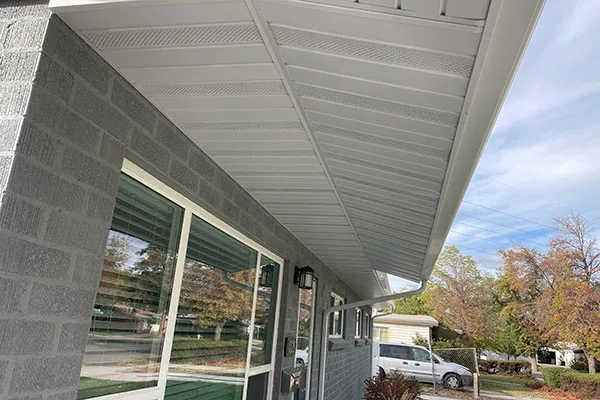
What a Fascia Repair Visit Covers
Soft sections cut out and spliced
We open the gutter line, probe the board honestly, and cut back to solid wood. New primed material goes in with sealed joints and back-priming on the cut ends, the detail that decides how the splice ages. Paint or wrap matches the existing run so the repair disappears from the street.
Gutters re-secured to wood that holds
Half our fascia calls start as gutter calls, a run sagging because its screws are spinning in rot. Once the board is solid again the gutter gets re-hung at the correct pitch with hidden hangers. If the run itself is at the end of its life, we will say so plainly and point you to gutter replacement rather than bolting good hardware to a bad trough.
The water source, actually fixed
Drip edge extended or replaced where it stops short, kickout flashing added at roof-to-wall corners, and the shingle edge above the repair checked while the ladder is up. If ice dams are what fed the rot, we will tell you, because that fix lives in attic ventilation, not in the fascia board.
The rest of the eave, while we are there
Fascia rot rarely travels alone. The soffit behind it and the deck edge above it get checked on every visit, and anything we find goes into one written summary with photos, priced separately, decided by you. Recent eave work is in the gallery.
Catch It While It Is a Splice
Fascia rot is one of the cheapest problems on a house to fix early and one of the most annoying to fix late, when it has spread into soffit, lookouts, and deck edge. Bubbling paint on the board, a gutter visibly tipping forward, or dark staining at the eave are the early bells. Fall is the ideal window, dry board before the snow, but we splice fascia in any month the weather allows.
One Visit, the Whole Story
Royal Dane Roofing is residential only, out of Salt Lake City, covering the towns on the service areas page. Jeremy walks the eave line himself, tells you what is rot and what is just tired paint, and hands you a firm written price before any cutting starts. Book on the contact page or call (801) 750-4243, Monday through Friday, 7am to 4pm.
Fascia Questions, Answered Straight
What does fascia repair cost?
It depends on how many feet of board are soft, how high the eave is, whether the gutter has to come down and go back up, and what fed the rot in the first place. A single splice behind a leaky corner is a small job. A full side of the house with a flashing correction is more. You get a firm written number after we probe the board, and it only moves if hidden damage appears, with photos first.
My gutter is pulling away from the house. Is that fascia rot?
Very often, yes. Gutter fasteners hold by biting into the fascia, and when the board softens they spin loose and the run tips forward. Re-screwing into rot lasts a season at best. The fix is solid wood first, then re-hanging the gutter at the right pitch. We do both in one visit, and the gutter repair page covers the trough side of the story.
Can I just paint over peeling fascia?
If the board under the peel is sound and dry, paint is real maintenance and worth doing. If the paint failed because the board is wet, new paint seals the moisture in and speeds the rot up. The difference takes thirty seconds with a probe from a ladder, which is exactly what the free assessment is for. We will tell you honestly which one you have, and painting is the cheaper answer more often than people fear.
Do you find the leak or just replace the board?
Both, and the leak comes first. Splicing new wood under the same failed drip edge or overflowing gutter just schedules the next repair. Every fascia visit includes the water trace, the gutter, the drip edge, the flashing at any wall corner, and the shingle edge above. The carpentry is the easy half. The diagnosis is what you are actually hiring a roofer for.
How do I spot fascia rot before it spreads?
From the sidewalk, look for paint bubbling or flaking on the band of trim behind the gutter, dark vertical staining below the gutter line, or a gutter that no longer runs parallel to the roof edge. After a storm, check corners where two rooflines meet. Any of those signs is worth a phone call while the fix is still a splice. It costs nothing to have us look.
When is replacement smarter than repair?
When the rot shows up in a third place after you have fixed it in two, or when probing finds soft spots scattered down a whole run, the board has told you its story. Splices in sound board are permanent. Splices in tired board are a subscription. The fascia replacement page covers the full-run answer, and we will tell you plainly which side of the line your eave is on when you book a look.
