
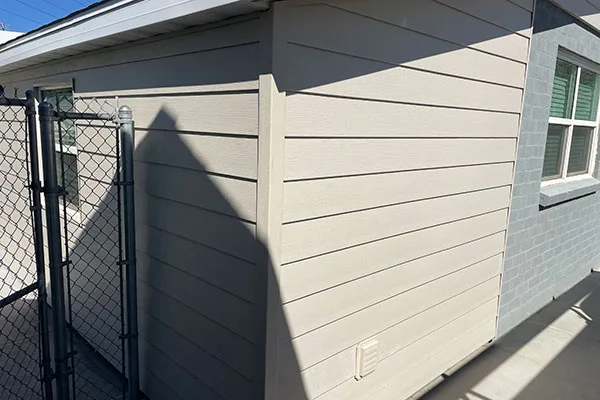
Cracked, Loose, or Wind-Torn Siding, Put Right
One missing panel after a canyon windstorm. A crack where the mower threw a rock. Caulk that gave up three summers ago. Small siding failures let water into the wall long before they bother you from the street, and fixing them small is a fraction of fixing them later. We repair siding the way we repair roofs, at the cause.
How Siding Dies in This Valley
Wind first. When a spring storm comes down out of the canyons it does not push on a wall evenly, it gets a fingernail under one loose course and unzips it. Vinyl that has spent fifteen Utah summers in high-altitude sun has lost the flexibility it shipped with, so instead of flexing it cracks, and instead of one panel you lose five. If your street has ever spent a morning picking siding out of the hedges, you know the storm we mean.
Sun does the slower damage. UV fades color unevenly, south and west walls first, and it makes old vinyl brittle enough to crack from an impact that a new panel would have shrugged off. Hail bruises and punctures aluminum and cracks fiber cement paint films. And every material in this climate rides the freeze-thaw cycle, growing and shrinking daily, which is what works caulk joints open at windows, corners, and trim. An open caulk joint is a funnel. The water that gets in does not come back out where you can see it.
That is the real reason to take a small siding repair seriously. The panel is cosmetic. What is behind the panel is structure, and by the time rot shows through to the surface, the repair has grown a zero. When we open a damaged section we check the barrier and sheathing behind it, dry and seal what we find, and close it up properly, so the fix is actually a fix.
If the damage came in on a storm, photograph it before anything gets moved and read the insurance claims page. Wind and hail siding damage is a routine homeowner claim, and we document it the way adjusters expect to see it.
The Repairs We Do Week In, Week Out
Wind-lifted and missing panels
We refasten what can be saved and replace what cannot, locking courses back together so the wall is one surface again instead of a row of loose edges waiting for the next gust. Where the old fastening was the problem, we correct it rather than repeating it.
Cracks, punctures, and hail hits
Cracked planks and punctured panels get replaced, not caulked shut. If the hits came from one storm and the roof took the same storm, have us look at both while we are there. The hail damage page covers what that inspection includes and what a claim looks like when the damage clears the bar.
Matching what you already have
Half the skill in siding repair is the match. We track down profiles and colors for discontinued vinyl lines where they exist, pull replacement material from hidden walls when they do not, and tell you plainly when a clean match is not possible so you can decide with real information instead of discovering a checkerboard afterward.
Caulk, trim, and flashing details
Failed joints get cut out and resealed with the right sealant, not smeared over. Loose trim gets refastened, and where water has been sneaking in at a roof-to-wall line we add the kickout flashing that should have been there from day one. It is the roofer’s half of the siding trade, and it is usually the half that was missing.
Moisture behind the wall
Staining, bubbling paint, or a wavy course usually means the problem is behind the siding, not in it. We open the section, replace what is wet or rotten, restore the water barrier, and close it with matched material. Recent work is in the gallery.
Repair or Replace, Answered Honestly
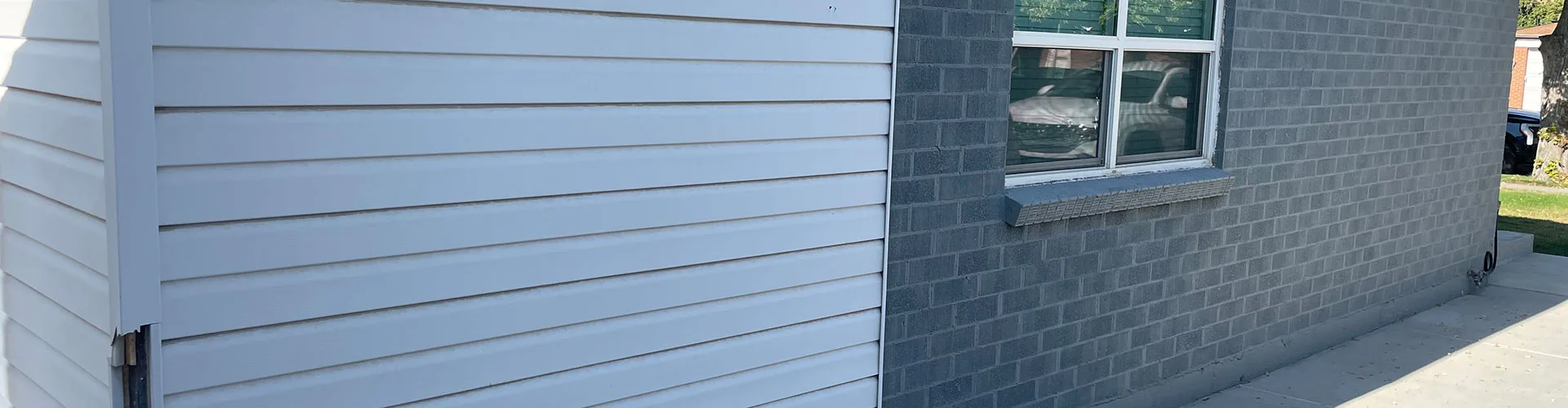
If the damage is local and the rest of the wall is sound, repair wins and we will say so. If the material has gone chalky and brittle across the whole house, every repair is a down payment on the next one, and the honest answer is the siding replacement page. We put it in writing either way, with photos of what we found, so the decision is yours and informed.
Small Company, Straight Answers
Royal Dane Roofing is residential only, based in Salt Lake City and working across the Wasatch Front metro. Every town we cover is listed on the service areas page. Jeremy looks at the wall himself, tells you what it needs and what it does not, and gives you a firm written price before work starts. Book through the contact page or call (801) 750-4243, Monday through Friday, 7am to 4pm.
Siding Repair Questions, Answered Straight
What does siding repair cost?
It rides on how many panels are involved, how high the damage sits, whether matching material is still made, and what we find behind the opening. Swapping a few wind-torn vinyl panels is a small job. Rebuilding a water-damaged section of wall is not. You get a firm written number after we look, and it holds unless we uncover hidden rot, which we photograph and price separately before touching.
Can you match my old siding?
Usually, and we will tell you before we start if we cannot. Common profiles are still available, discontinued ones can often be sourced through suppliers who specialize in them, and on some houses the cleanest trick is moving original panels from an unseen wall to the visible one and putting the near-match where nobody looks. Sun fade means even a perfect profile match can read slightly newer at first. It evens out over a couple of seasons.
A storm just tore panels off. Is that an insurance claim?
Often yes. Wind damage to siding is one of the most common homeowner claims along the Wasatch Front, and it frequently travels with roof damage from the same storm. Photograph everything before cleanup, then have us document the house properly. The insurance claims page walks through how we support a claim without inflating one.
Why is my paint bubbling on one section of siding?
Bubbling, staining, or a wavy course almost always means moisture behind the siding, not a paint problem. Common feeds are a failed caulk joint above, a missing kickout flashing at a roofline, or a gutter that has been overflowing down the wall. We find the source, fix it, dry and repair the wall, and then close it up. Painting over it first is the expensive order of operations.
Do I need to repair one cracked panel right away?
Sooner beats later. One crack is a drainage path into the wall every time it rains or the snow on the foundation line melts, and winter freeze-thaw levers cracks wider. It is also the cheapest version of the job. A single visit now routinely prevents a sheathing repair later.
Can you check the roof while you are here?
Yes, and you should ask for exactly that. The wind that damaged your wall saw your roof first, and we are roofers before anything else. One visit, one ladder, one written summary of the whole exterior. Book it through the contact page and mention you want both looked at.
